The Leader In Me
What Leader in Me Schools DO
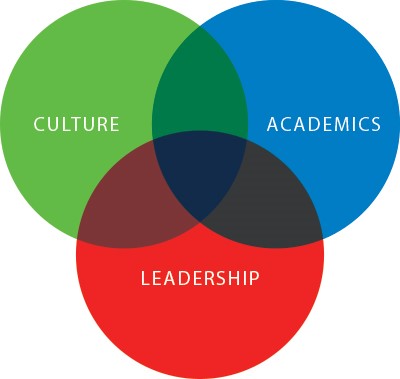
- Teach LEADERSHIP to every student
- Create a CULTURE of student empowerment
- Align systems to drive results in ACADEMICS
Leader in Me is Franklin Covey’s whole school transformation process. It teaches 21st century leadership and life skills to students and creates a culture of student empowerment based on the idea that every child can be a leader. Schools should not merely be focused on improving test scores, but should provide opportunities for students to develop their full potential.
Habit 1: Be Proactive (You’re in Charge)
Habit 2: Begin With the End in Mind (Have a Plan)
Habit 3: Put First Things First (Work First, Then Play)
Habit 4: Think Win-Win (Everyone Can Win)
Habit 5: Seek First to Understand, Then to Be Understood(Listen Before You Talk)
Habit 6: Synergize (Together Is Better)
Habit 7: Sharpen the Saw (Balance Feels Best
Why is it good for my children?
Teaches skills needed to be successful in a global society.
Personal leadership – being accountable for actions and attitudes
Initiative and self-discipline, making healthy choices
Ability to work well with others, cross-culturally and in teams
Effective communication and listening skills
Ability to solve complex problems and creative thinking skills
Inspires greater self-confidence with a belief that every child can be a “leader of their own life”, has unique talents and can make a difference
- First, define outcomes before you act
- Second, create a mission statement
- Third, live by the mission statement
Defining the outcome means starting a project or goal with the end in mind; in this case, it is creating a family mission statement. For example, a fun way to demonstrate this principle to your children, before starting this project, is by asking them to put together a puzzle without seeing the picture on the box.
Find a puzzle with at least 24 pieces. You may have to purchase a new one that your family has not put together before.
Ask each family member to put it together in 30 seconds without looking at the picture of the puzzle. Give each person an opportunity to try to finish it in 30 seconds.
After they each have tried, ask them what would make this task easier for them. They will likely say that if they had a picture of the puzzle or more time they would be more successful.
Now give them another 30 seconds and the picture of the puzzle. Ask them, “Why was it easier this time?” This is a great object lesson to show how important it is to have a vision, or plan—in this case, a picture of the puzzle—in order to be successful in completing something.
- What is the purpose of our family?
- What kinds of things do we want to do?
- What kind of feeling do we want to have in our home?
- What kind of relationships do we want to have with one another?
- What are our family’s priorities?
- What are our responsibilities as family members?
- How can we contribute to society as a family and become more service-oriented?